


Introduction
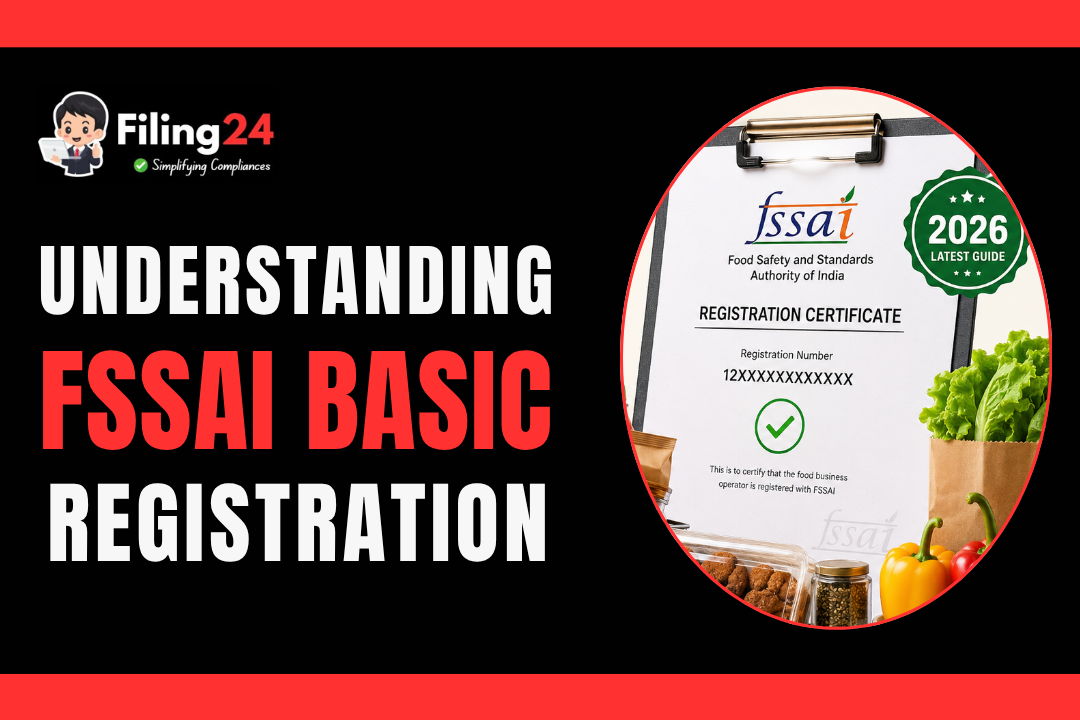
Understanding FSSAI Basic Registration is very important for every small food business owner in India in 2026. Whether you sell homemade food, run a tea stall, cloud kitchen, bakery, grocery shop, or small food manufacturing unit, getting FSSAI registration is now considered an essential compliance requirement.
Many small business owners think FSSAI registration is complicated or only for large companies. But actually, FSSAI Basic Registration is specially designed for startups and small food operators with limited turnover.
In this detailed guide, we will explain everything in simple language — eligibility, benefits, registration process, documents required, renewal rules, penalties, and latest updates for 2026.
Table of Contents
- What is FSSAI Basic Registration?
- Why FSSAI Registration is Important in 2026
- Who Needs FSSAI Basic Registration?
- Turnover Limit for FSSAI Basic Registration
- Types of FSSAI Licenses
- Benefits of FSSAI Basic Registration
- Documents Required
- Step-by-Step Registration Process
- FSSAI Registration Fees
- Validity & Renewal Rules
- Common Mistakes to Avoid
- Penalties for Non-Compliance
- Checklist for Food Businesses
- Latest FSSAI Updates 2026
- People Also Ask (FAQs)
- FAQ Schema Markup
- Conclusion
What is Understanding FSSAI Basic Registration?
What is FSSAI Basic Registration?
FSSAI Basic Registration is the entry-level food registration issued by the Food Safety and Standards Authority of India for small food business operators in India.
It is mandatory for businesses involved in manufacturing, processing, storage, distribution, or sale of food products with annual turnover below ₹12 lakh.
The registration provides a unique 14-digit FSSAI number which must be displayed on food packages or business premises.
Why FSSAI Registration is Important in 2026
Food safety regulations in India are becoming stricter every year. Customers are now more aware about hygiene, packaging, and food quality.
Key Reasons Why FSSAI Registration Matters
- Builds customer trust
- Helps avoid legal penalties
- Improves brand reputation
- Enables online food selling
- Required for Swiggy and Zomato onboarding
- Helps during GST and bank loan approvals
- Ensures food safety compliance
Small businesses without registration may face penalties, closure notices, or operational restrictions.
Who Needs FSSAI Basic Registration?
Businesses Eligible for FSSAI Basic Registration
The following businesses generally require FSSAI Basic Registration in 2026:
| Business Type | Registration Required |
|---|---|
| Home kitchen | Yes |
| Tea stalls | Yes |
| Small bakery | Yes |
| Street food vendor | Yes |
| Grocery shop | Yes |
| Homemade pickle seller | Yes |
| Food delivery startup | Yes |
| Dairy booth | Yes |
| Petty retailers | Yes |
Turnover Limit for FSSAI Basic Registration
Annual Turnover Criteria
| License Type | Turnover Limit |
|---|---|
| Basic Registration | Up to ₹12 lakh |
| State License | ₹12 lakh to ₹20 crore |
| Central License | Above ₹20 crore |
If your turnover increases above ₹12 lakh, you must upgrade to State FSSAI License.
Types of FSSAI Licenses
1. FSSAI Basic Registration
For small food businesses with limited turnover.
2. FSSAI State License
For medium-sized food businesses operating within one state.
3. FSSAI Central License
For large manufacturers, exporters, importers, and nationwide businesses.
Benefits of Understanding FSSAI Basic Registration
Major Advantages for Small Businesses
1. Legal Compliance
Helps your business operate legally under Indian food safety laws.
2. Customer Confidence
Customers trust businesses displaying FSSAI registration.
3. Business Expansion
Required for online marketplaces and food delivery apps.
4. Easier Bank Approvals
Financial institutions often ask for food licenses.
5. Better Brand Image
Shows professionalism and commitment toward food hygiene.
Documents Required for FSSAI Basic Registration
Basic Documents Checklist
Identity Proof
- Aadhaar Card
- PAN Card
- Voter ID
Address Proof
- Electricity bill
- Rent agreement
- Shop ownership proof
Business Information
- Passport-size photograph
- Nature of food business
- Contact details
Additional Documents (if applicable)
- NOC from municipality
- Partnership deed
- GST certificate
Step-by-Step Process for FSSAI Basic Registration in 2026
How to Apply for FSSAI Basic Registration?
Step 1: Visit Official Website
Visit the official FSSAI FoSCoS Portal.
Step 2: Select Registration Type
Choose “Basic Registration” based on turnover criteria.
Step 3: Fill Form A
Enter business details carefully.
Step 4: Upload Documents
Upload scanned documents in required format.
Step 5: Pay Fees
Make online payment through portal.
Step 6: Application Verification
FSSAI department reviews application.
Step 7: Receive Registration Certificate
Once approved, you receive FSSAI registration number.
FSSAI Registration Fees in 2026
Government Fee Structure
| Registration Type | Approx Fee |
|---|---|
| Basic Registration | ₹100 per year |
| State License | ₹2,000–₹5,000 |
| Central License | ₹7,500 |
Professional consultancy fees may be extra if you hire experts.
Validity and Renewal of FSSAI Registration
Registration Validity
FSSAI registration can be obtained for:
- 1 year
- 2 years
- 3 years
- Up to 5 years
Longer validity reduces renewal hassle.
Renewal Rules
Apply for renewal at least 30 days before expiry.
Late renewal may attract penalties.
Common Mistakes to Avoid During Registration
Avoid These Errors
- Wrong business category selection
- Incorrect turnover declaration
- Uploading unclear documents
- Missing address proof
- Applying under wrong license type
- Not renewing on time
These mistakes can delay approval significantly.
Penalties for Non-Compliance
What Happens Without FSSAI Registration?
Operating food business without registration can lead to:
| Violation | Penalty |
|---|---|
| No FSSAI registration | Fine up to ₹5 lakh |
| Misleading food labeling | Legal action |
| Unsafe food supply | Business suspension |
Food safety officers can inspect business premises anytime.
2026 Checklist for Food Business Owners
FSSAI Compliance Checklist
Before Starting Business
- Register business properly
- Apply for FSSAI registration
- Maintain hygiene standards
- Arrange safe food storage
After Registration
- Display FSSAI certificate
- Mention registration number
- Renew before expiry
- Follow packaging rules
Latest FSSAI Updates in 2026
Important Changes Food Businesses Should Know
Increased Digital Compliance
Most registrations and renewals are now online.
Stronger Labeling Rules
Food labels now require clearer ingredient information.
Hygiene Monitoring
Food delivery kitchens and cloud kitchens face stricter inspections.
QR-Based Verification
Many certificates now support QR verification systems.
Internal Links Suggestions
- Fixed Asset Verification Services
- GST Registration Guide 2026
- Internal Audit Services
- Startup Compliance Checklist
- Company Registration Process
External Resources
Image Suggestions for Better SEO
Recommended Images
| Image Type | Suggested Alt Text |
|---|---|
| Registration process infographic | Understanding FSSAI Basic Registration 2026 |
| Food safety checklist | FSSAI compliance checklist |
| Food business owner image | Small food business FSSAI registration |
| License comparison chart | FSSAI basic vs state vs central license |
People Also Ask (FAQs)
Is FSSAI Basic Registration mandatory for home kitchens?
Yes. Home-based food businesses selling products commercially must obtain FSSAI Basic Registration if turnover is below ₹12 lakh annually.
How much time does FSSAI registration take?
Usually, FSSAI Basic Registration takes around 7–15 working days after successful document verification.
Can I sell food online without FSSAI registration?
No. Most online platforms like Swiggy, Zomato, and Amazon require valid FSSAI registration before onboarding sellers.
What is the validity of FSSAI Basic Registration?
The registration validity ranges from 1 year to 5 years depending on selected duration during application.
Can I upgrade from Basic Registration to State License later?
Yes. If your annual turnover crosses ₹12 lakh, you can upgrade to State License easily through the FoSCoS portal.
Is GST mandatory for FSSAI registration?
No. GST is not compulsory for obtaining FSSAI Basic Registration, though it may be required depending on business type and turnover.
Conclusion
Understanding FSSAI Basic Registration in 2026 is extremely important for every small food entrepreneur in India. Whether you run a home kitchen, bakery, tea stall, or online food startup, registration helps your business remain legally compliant and trusted by customers.
The process has become much simpler through online systems, but choosing the correct license type and submitting proper documents still matters a lot. A properly registered food business not only avoids penalties but also creates long-term growth opportunities.
If you are starting a food business this year, getting your FSSAI Basic Registration should be one of the first compliance steps you complete.